@frontoffice.co
TikTok · Talking Head Edit

@frontoffice.co 100 year old techwear. Thomas Burberry, trench coats and lasting design. #burberry #trenchcoat #techwear #fashion

@frontoffice.co
TikTok · Talking Head Edit
@frontoffice.co 100 year old techwear. Thomas Burberry, trench coats and lasting design. #burberry #trenchcoat #techwear #fashion
Performance
Video #8173 · Talking Head Edit
[01]
The creator explains the history of Burberry as an early techwear company, detailing Thomas Burberry's invention of Gabardine fabric to solve the problem of non-breathable waterproof clothing. He traces the evolution of the iconic trench coat from its military origins in WWI to its status as a timeless design, using historical photos and diagrams to illustrate the functional innovations.
[02]
[03]
 380.4K2.2×Explaining waterproof clothing design principles@frontoffice.co · Explainer
 548.2K1.6×Explaining waterproofing beyond the coating@sakata.ken · Breakdown
 282.7KFabric history and modern reinvention@frontoffice.co · Explainer
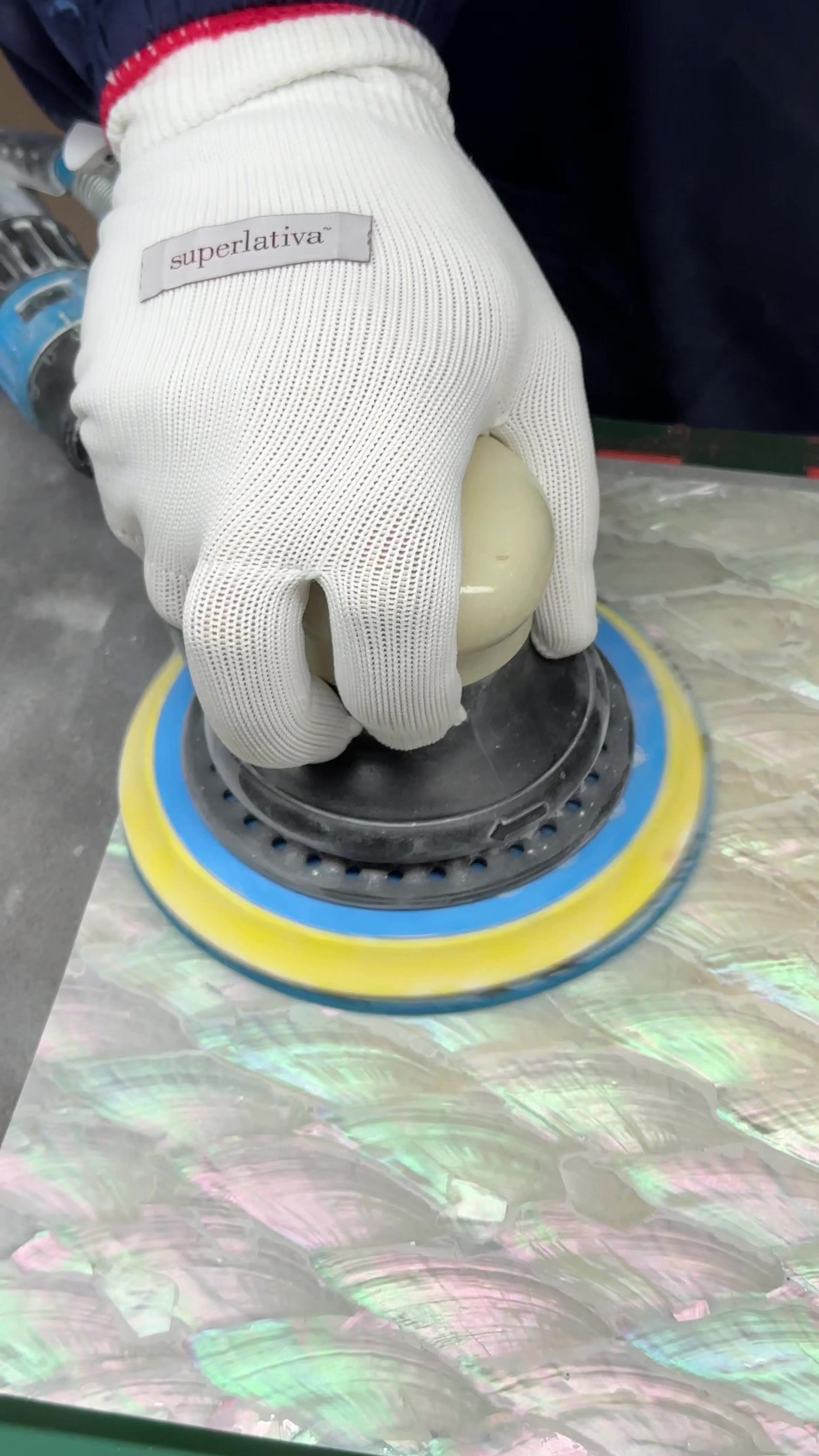 1M3.1×How a mother-of-pearl trench coat is made from scratch@loewe · Process
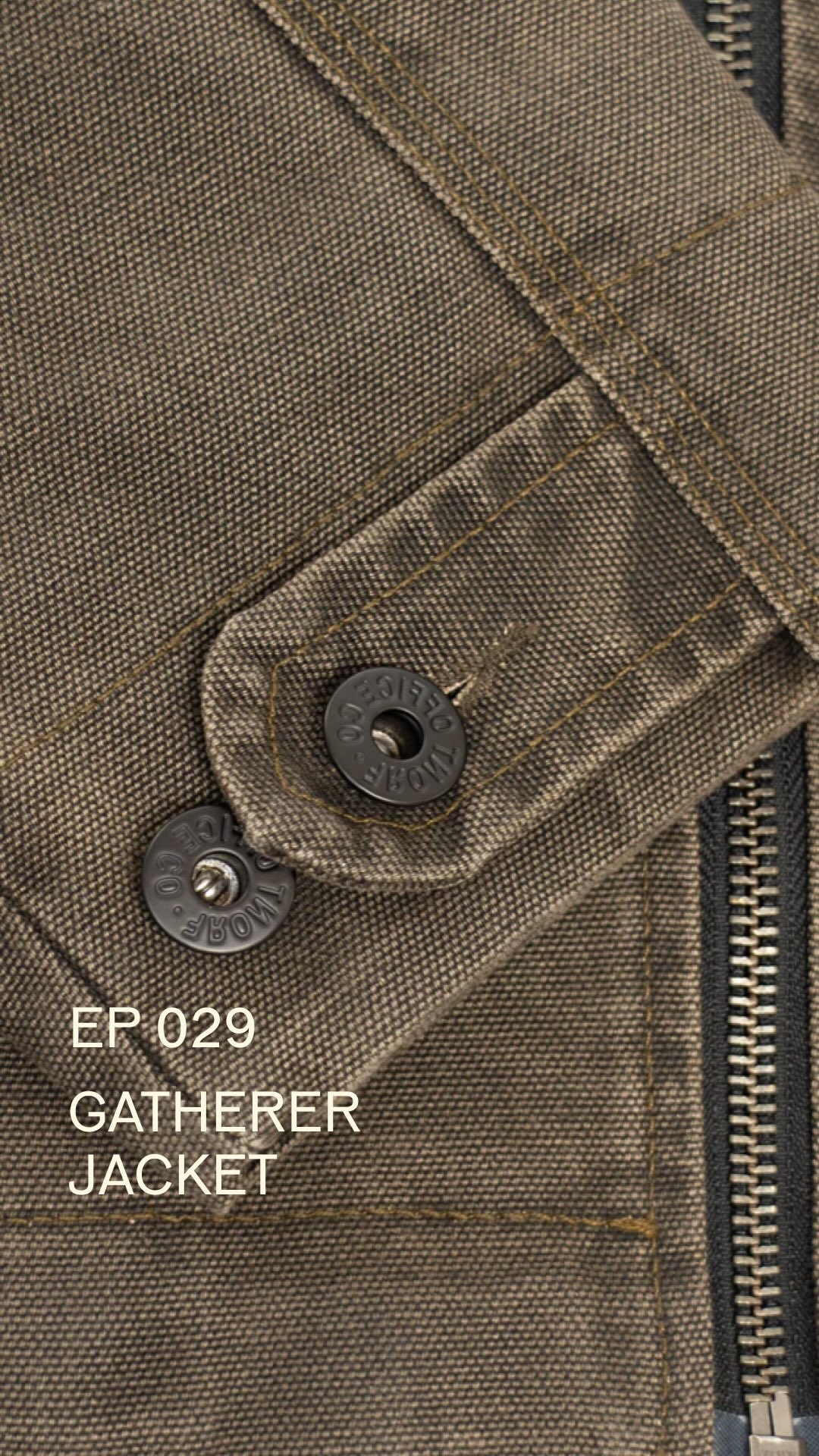 590K2×Jacket design process breakdown@sakata.ken · Breakdown
 814.7K1.3×Designer explains jacket creation process@frontoffice.co · Origin Story
 354.8KDesigner shows jacket creation process@frontoffice.co · Origin Story
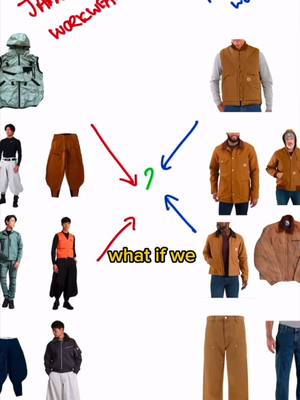 700.5K1.9×Deconstructing Japanese and American workwear@frontoffice.co · Breakdown
 823.1K1×Explaining a famous clothing innovation@alextwma · Origin Story
 349KWhy durable clothes still create waste.@frontoffice.co · Breakdown
 153.2K1.4×Brand origin story and product showcase@iamnotyethome · Origin Story
 275.8K4.7×Designer shares jacket's personal story@yitaigeng · Origin Story
[04]
[05]
What stops the scroll in the first 3 seconds
Verbal hook · 70%
Alright. Let's talk about techwear.
Visual hook · 30%
A medium shot of the speaker sitting at a desk, making a direct and inviting gesture towards the camera as he begins his topic.
[06]
Steal this for your own video
Alright. Let's talk about — and why it's actually a .
[07]
The promise the opener makes, and how the video pays it back
Hook
Establish a familiar modern concept and its current examples, then pivot with a surprising historical question to create an intrigue gap.
Payoff
Connect the specific historical narrative to a universal, philosophical takeaway about the enduring power of great design, providing a sense of profound insight that transcends the initial topic.
[08]
The structural pattern this video runs on
Framework
The Historical Reframe
To recontextualize a modern concept by revealing its surprising historical origin story, demonstrating how a functional innovation evolved into a cultural icon.
The Unexpected Protagonist
Reveal an unexpected historical figure or brand as the answer to the hook's question, subverting audience expectations.
The Core Problem Statement
Clearly define the specific, tangible problem the protagonist was trying to solve, establishing the stakes of the story.
The Incumbent's Flaw
Detail why the existing solutions at the time were inadequate, highlighting their functional drawbacks to emphasize the need for a breakthrough.
The 'Aha!' Invention
Introduce the protagonist's key innovation, explaining its mechanics in simple terms to showcase its revolutionary nature.
The Gauntlet of Proof
Provide a rapid succession of real-world examples or 'stress tests' that prove the innovation's superiority and effectiveness.
The Archetype's Birth
Showcase the first iconic product created using the innovation, establishing its original form and function.
The Crucible of Evolution
Detail how the product was adapted and refined in response to a major historical event or challenge, adding layers of functional purpose to its design.
The Cultural Crossover
Explain how the product transitioned from its niche, functional purpose into mainstream civilian life, beginning its journey to becoming an icon.
100 year old techwear. Thomas Burberry, trench coats and lasting design. #burberry #trenchcoat #techwear #fashion
Alright. Let's talk about techwear. Rainproof, windproof, waterproof. When we think of techwear, we think of brands like Arc'teryx, Acronym, Stone Island. But that's now. What does a techwear company look like over a hundred years ago? And if you talk techwear, you gotta talk Burberry. Yes. That Burberry. Before Burberry was a brand, it was a dude. It was a guy. Thomas Burberry. A hundred years ago, Thomas Burberry has a clothes company, a company he started when he was 21, trying to make weatherproof clothing. And he's faced with a problem. The problem is waterproofing. The solutions at the time are coatings. They have fabrics made out of wool, out of cotton, and they are coated with rubber, oil, wax. And these early coatings are excellent at repelling better, but they don't breathe. So people are trapped in their own hot air, their own sweat. The coatings also make the fabrics very heavy. So Thomas Burberry invents a fabric called gabardine. He designs a combination of yarn and weave to create a fabric that is woven so tightly that it is water resistant better still allows air to pass through rank and forth. And this is so high-tech. This is revolutionary. And like any techwear company, he has to demonstrate the use of these things. So he sponsors these trips, these expeditions. Burberry's gabardine goes to the Arctic Circle. Edward Maitland wears a gabardine suit in a hot air balloon from England to Russia. Burberry sponsors a flight called the Burberry from Croydon to Cape Town, and the pilots wear gabardine. And Burberry uses this fabric in his early coats. This is the tie lock in, which is used by British military officers in South Africa. It's a belted rank around coat to protect you from the elements. And when the first worse war rolls around, the tie lock in becomes a little bit more sophisticated. It gains d rings to hang grenades, epaulettes to attach military ranks, storm flaps to prevent rain from getting into the button front. And this model is called the trench coat, a functional coat that helps soldiers in muddy, wet trenches. And after the war soldiers better home with their trench coats and these functional coats gain a second chapter in civilian life. And now it's a hundred years later and Burberry's identity as a techware company has changed. It's given away to a completely different identity, actually several different identities through time. But the game of functional design is still the same. And that is the really encouraging thing about design. The right fabric, the right silhouette, and solving problems big enough for people. You can create a design with so much energy, like so much velocity. It moves past your name, your company, your time. A great design can travel into the future and resonate beyond your own personal experience of the world.